
The Influence of Ukiyo-e on Western Artists and Movements
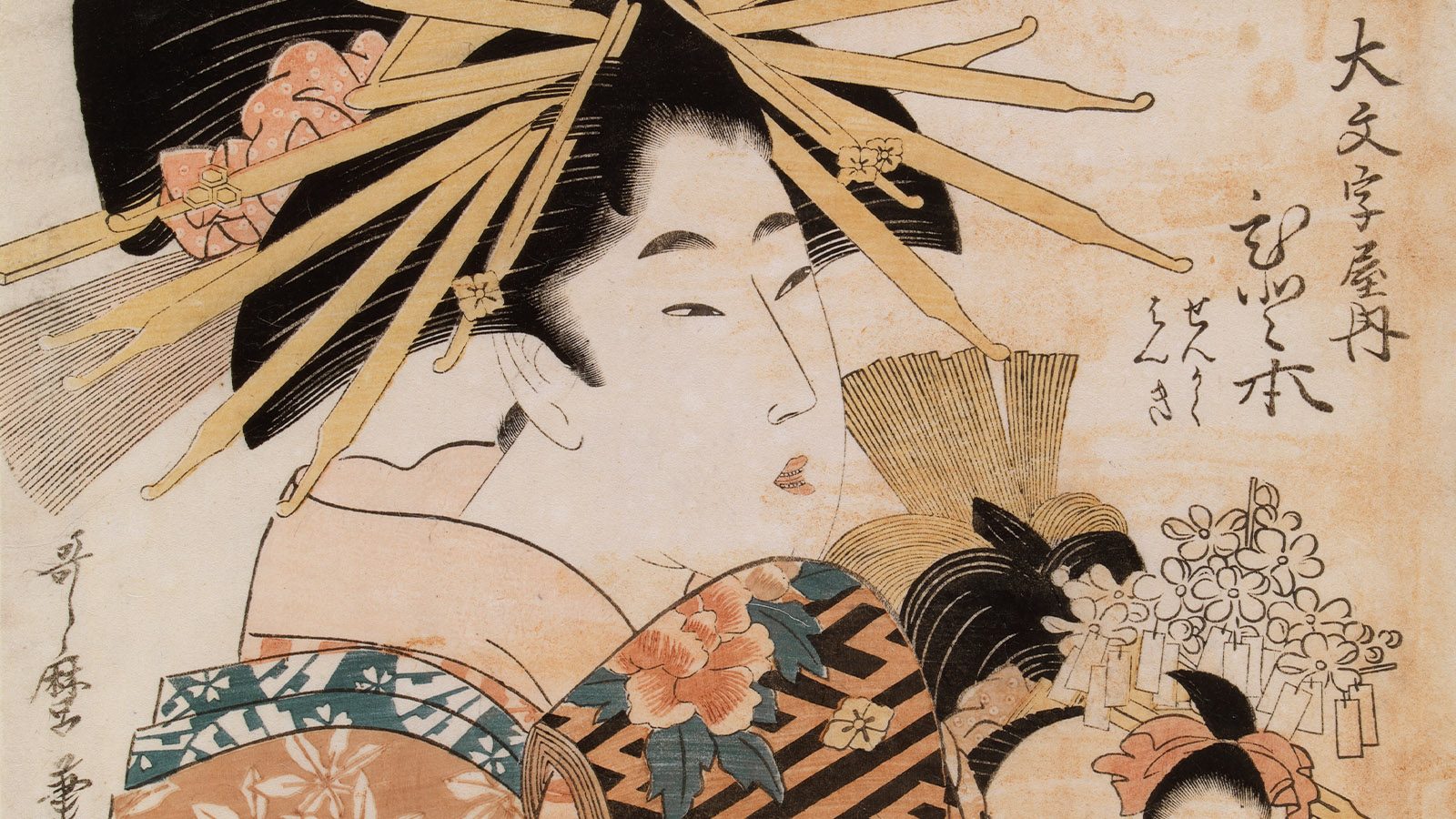
Ukiyo-e, the traditional woodblock printing art form that flourished in Japan from the 17th to the 19th centuries, has significantly influenced Western art and culture. This genre captures vivid scenes of landscapes, kabuki actors, beautiful women, and everyday life, embodying the transient beauty of the "floating world." As Western artists began to discover and appreciate Ukiyo-e in the 19th century, they were profoundly inspired by its unique techniques and aesthetic principles, leading to a fusion of styles and new movements in the art world.
The Discovery of Ukiyo-e
The exposure of European artists to Ukiyo-e began with the arrival of Japanese art in the West during the late Edo period, particularly after Japan opened its ports to trade in the mid-19th century. Art collectors and historians were enamored by these prints' intricate designs, vibrant colors, and innovative use of perspective, which differed sharply from Western artistic traditions. Prominent figures like Vincent van Gogh, Claude Monet, and Edgar Degas were fascinated by these prints, which inspired them to explore new ways of seeing and depicting the world. Van Gogh, for instance, created a series of works that mirrored the compositions and color palettes found in Ukiyo-e, showcasing his admiration for this enchanting art form.
Impressionism and Beyond
The influence of Ukiyo-e can be particularly seen in the Impressionist movement, where artists sought to capture the essence of a moment rather than an exact representation. The use of bold outlines, asymmetrical compositions, and a focus on the play of light—elements prevalent in Ukiyo-e—found resonance with Impressionists who embraced a fresh approach to their work. Claude Monet and his contemporaries were enamored with the fluidity and brevity of life depicted in Ukiyo-e prints, which ultimately helped shape the aesthetics and ideologies of Impressionism. This cross-pollination of ideas showcases the global interconnectivity of art and how one culture can inspire another across vast distances.
Modern Interpretations and Market Influence
As Western art movements progressed into the 20th century, the influence of Ukiyo-e continued to evolve, leaving an indelible mark on various styles, including Art Nouveau and Pop Art. Artists like Alphonse Mucha and Andy Warhol drew inspiration from Ukiyo-e's ornamental qualities and thematic focus on popular culture. The unique marriage of Eastern aesthetics with Western sensibilities has birthed a plethora of artworks that transcend cultural boundaries. Today, art enthusiasts can explore the essence of Ukiyo-e firsthand through dedicated spaces like the Ukiyo E Store, which offers a range of prints and products inspired by this traditional art form. The store serves as a bridge between cultures, making the beauty of Ukiyo-e accessible to a global audience, and allowing a new generation of artists to find inspiration within these stunning works.
Conclusion
The impact of Ukiyo-e on Western artists and movements is a testament to the power of cross-cultural exchange. By embracing and reinterpreting the elegance and vitality of Ukiyo-e, Western artists broke away from conventional techniques and narratives, resulting in transformative movements that celebrate diversity and innovation. As art continues to evolve, the legacy of Ukiyo-e remains a profound influence—reminding us of the beauty that arises when cultures converge and inspire one another. To truly appreciate this ongoing relationship between Eastern and Western art, visiting stores like the Ukiyo E Store can offer wonderful insights and a chance to own a piece of this remarkable artistic heritage.