
The Cinematic Evolution of Mad Max Through the Years
Since its inception in the late 1970s, the Mad Max franchise has left an indelible mark on the landscape of cinematic history. Created by George Miller, the series introduced audiences to a post-apocalyptic world filled with chaos, memorable characters, and high-octane car chases. From the original "Mad Max" film released in 1979 to the critically acclaimed "Mad Max: Fury Road" in 2015, the evolution of this franchise has reflected changes not only in filmmaking technology but also in societal themes and audience expectations.
The Origins: A Dystopian Vision
The journey began with "Mad Max" in 1979, starring Mel Gibson as the titular character. The film was made on a modest budget but became a sleeper hit due to its raw energy and inventive storytelling. Set in a dystopian Australia where law and order had crumbled, it showcased a world dominated by violence, survival, and vehicles equipped for battle. The film's practical effects and car stunts were groundbreaking at the time, laying the groundwork for a franchise that would come to be renowned for its vehicular mayhem. The success of the original prompted sequels that would push boundaries even further.
Expanding the Universe: Sequels and Themes
With "Mad Max 2: The Road Warrior" (1981), the franchise began to truly expand its universe. The film introduced more intricate storytelling and character development, showcasing Max's transformation from a law enforcer to a rogue wanderer struggling for survival. The practical effects had also improved, with larger set pieces and even more impressive stunts. By the time "Mad Max: Beyond Thunderdome" (1985) hit theaters, audiences were treated to a deeper exploration of societal norms and human morality amidst chaos. The introduction of characters like Aunty Entity, played by Tina Turner, illustrated the balance of power in a lawless world and showcased the series’ ability to evolve while keeping its core themes intact.
The Modern Era: Mad Max: Fury Road
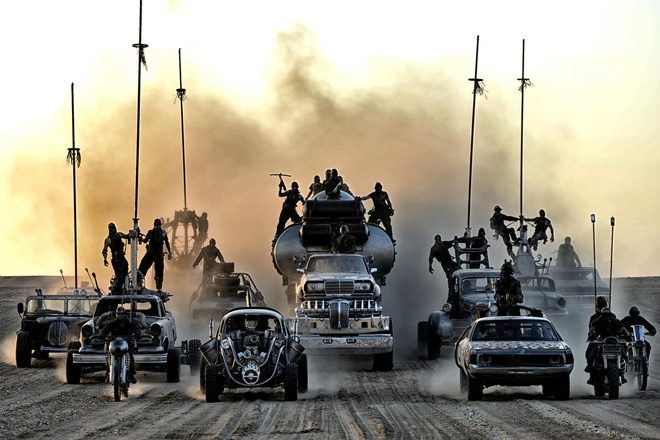
The franchise saw a massive resurgence in 2015 with "Mad Max: Fury Road," which not only received critical acclaim but also brought a new generation of fans into the fold. Tom Hardy stepped into the role of Max Rockatansky, delivering a performance that balanced the physicality required for the role while paying homage to Gibson's iconic portrayal. Director George Miller utilized cutting-edge CGI alongside practical effects to create breathtaking action sequences and stunning visuals. The film's themes of feminism, survival, and environmentalism resonated deeply with contemporary audiences, marking a significant shift in the conversations surrounding the franchise and its impact on cinema.
The Merchandise Phenomenon
As the Mad Max franchise grew in popularity, so too did its merchandise. From action figures and collectibles to clothing and replica vehicles, "Mad Max Merchandise" has become a thriving aspect of the franchise. Fans can find everything from detailed figurines of iconic characters like Furiosa and Immortan Joe to high-performance toy versions of the legendary vehicles featured in the films. The merchandise not only serves to celebrate the franchise but also creates a sense of community among fans who share an appreciation for its unique take on apocalyptic storytelling. Events like Comic-Con often feature exclusive merchandise that celebrates the franchise, further emphasizing its cultural impact.
The cinematic evolution of Mad Max reflects the shifting paradigms of filmmaking and cultural discourse across decades. What began as a humble Australian film has transformed into an iconic franchise that continues to enthrall audiences worldwide. With each installment, the series has demonstrated an ability to adapt and innovate while remaining true to its roots—an achievement that secures its place in cinematic history.