
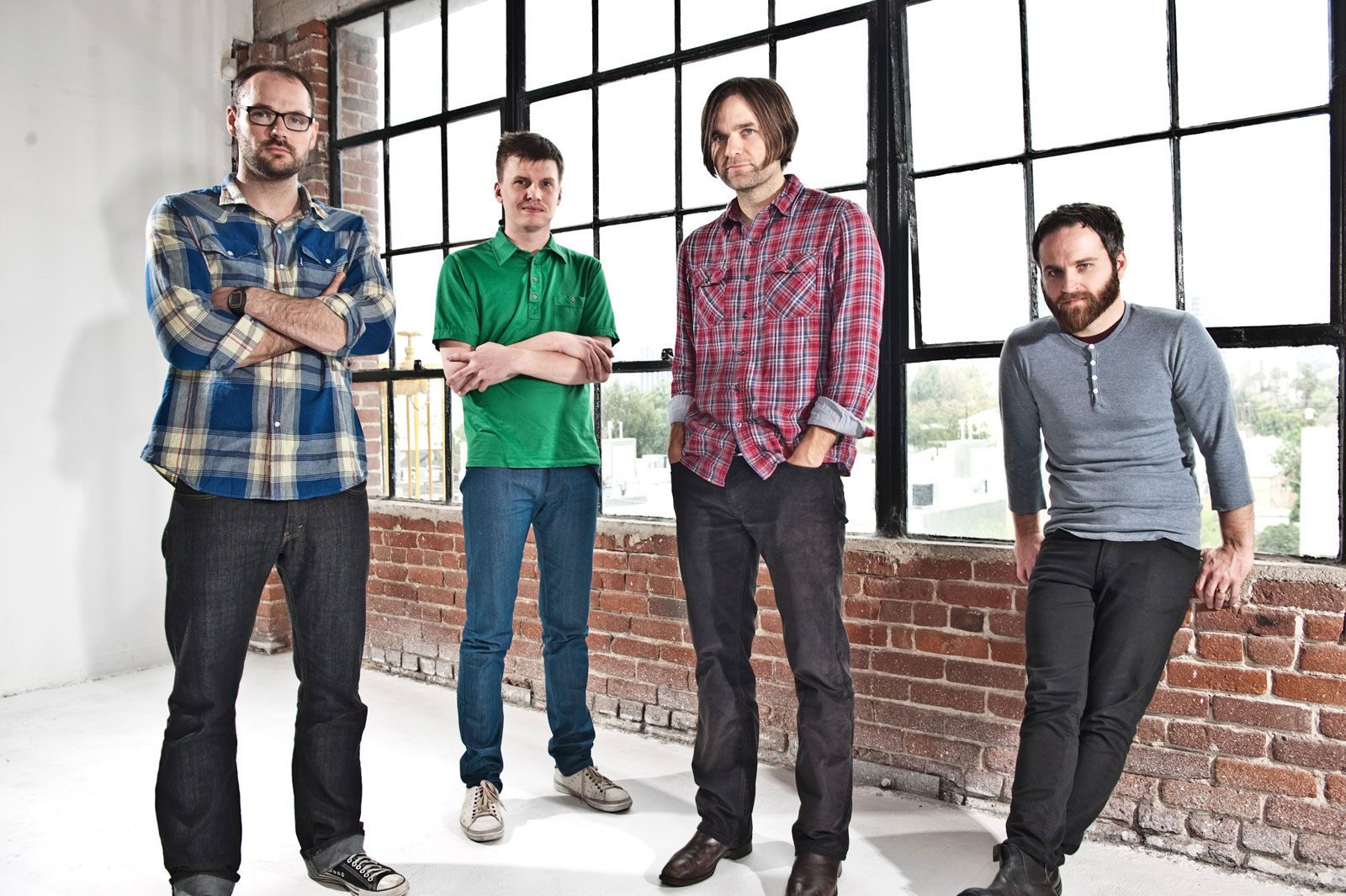
From Indie Darlings to Alt-Rock Icons: The Evolution of Death Cab for Cutie
Death Cab for Cutie, formed in 1997, began as a small indie band from Bellingham, Washington. The band's founding member, Ben Gibbard, was a passionate musician who started the project as a solo venture. Initially, the group was characterized by its lo-fi recordings, introspective lyrics, and unique brand of melancholic pop that resonated deeply with the independent music scene of the late '90s. Their breakthrough came with the release of the album "The Photo Album" in 2001, which showcased their signature sound anchored by Gibbard's haunting voice and the band’s lush instrumentation. Little did they know, this would be the beginning of their journey from indie darlings to alt-rock icons.
Recognizing Their Unique Sound
As Death Cab for Cutie continued to gain traction, their sound became more refined without sacrificing the emotional depth that first captivated listeners. The release of "Transatlanticism" in 2003 marked a pivotal moment in their evolution, introducing an expansive soundscape that blended intricate melodies with poignant storytelling. Critics hailed the album as a landmark in modern rock, catapulting the band into mainstream recognition. Songs like "Title and Registration" and "The New Year" resonated with fans, showcasing Gibbard's knack for crafting narratives that explore love, loss, and longing.
Embracing Mainstream Success
With their increasing popularity, Death Cab for Cutie embarked on a more ambitious touring schedule and began to experiment with their sound. The album "Plans," released in 2005, solidified their status as alt-rock icons. Featuring hits such as "Soul Meets Body" and "I Will Follow You into the Dark," this album showcased an evolution in their lyrical themes and musical style. The band was no longer just an indie sensation; they were now headlining major festivals and garnering awards, including Grammy nominations. Throughout this period, their artistry remained deeply personal, ensuring that their connection with fans only grew stronger.
The Impact of Technology and Collaborations
The evolution of Death Cab for Cutie was not only based on their musical growth but also on their savvy understanding of marketing and fan engagement. The rise of social media changed the dynamic between artists and fans, allowing for more direct communication. Death Cab embraced this new landscape, making them relatable and accessible to a wider audience. Additionally, their collaborations with other artists and filmmakers, like the soundtrack for the movie "Plans," showcased their versatility and further solidified their place in the alt-rock canon. Their presence also translated into merchandise, and now fans can explore the "Death Cab For Cutie Shop" for music, apparel, and memorabilia, deepening their connection to the band.
A New Era and Future Directions
As Death Cab for Cutie continues to release new music, they embrace change while staying true to their roots. Recent albums like "Thank You for Today" and "Asphalt Meadows" reflect a band that is not afraid to evolve, dabbling in new sounds and musical experimentation. They have successfully maintained their identity while expanding their reach, appealing to both longtime fans and newer audiences. As they look to the future, it is evident that Death Cab for Cutie will continue to influence the alt-rock scene, proving that their journey from indie darlings to icons is not just a story of success, but also one of resilience, creativity, and authenticity.